
Really wish I could but I can’t include every newspaper article about Gilcrux. I am, however, adding to this post regularly and aim to insert each piece so that’s it’s in chronological order. It’s always a work-in-progress!
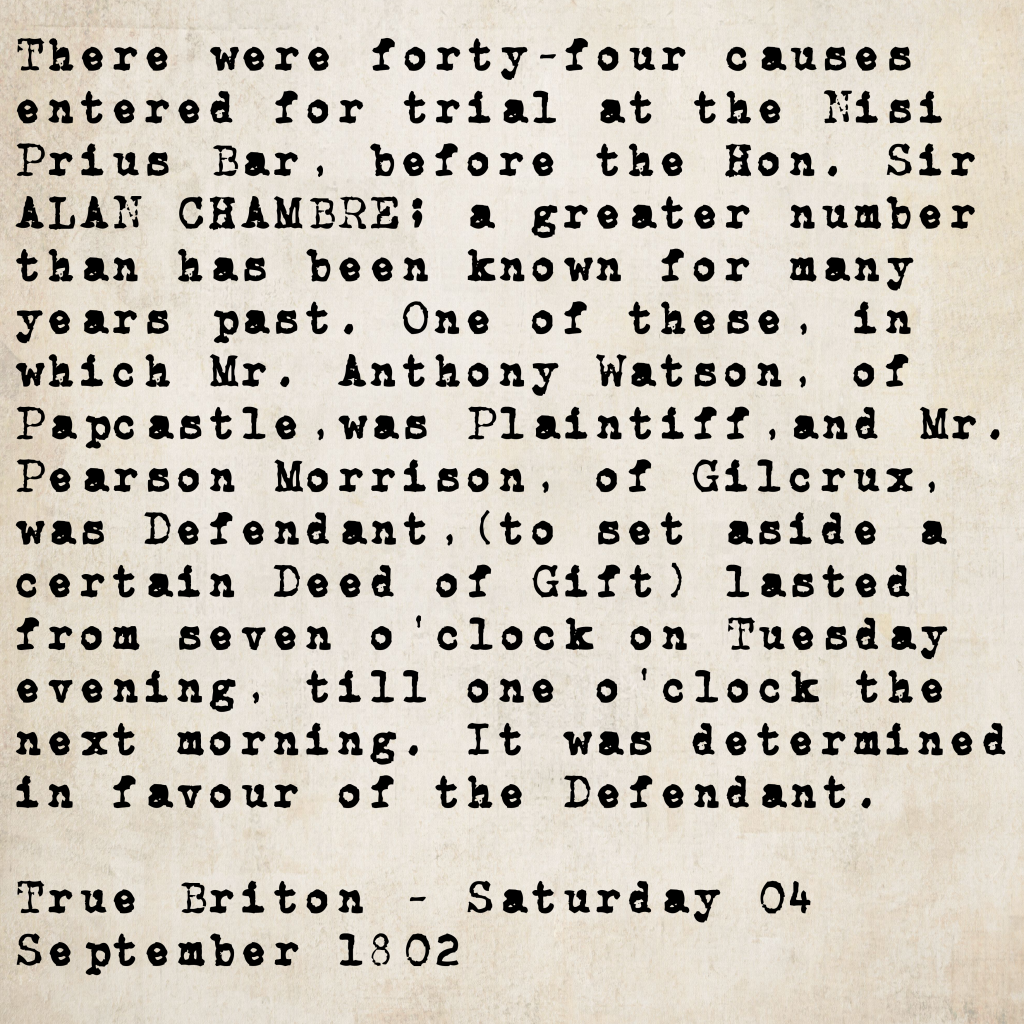
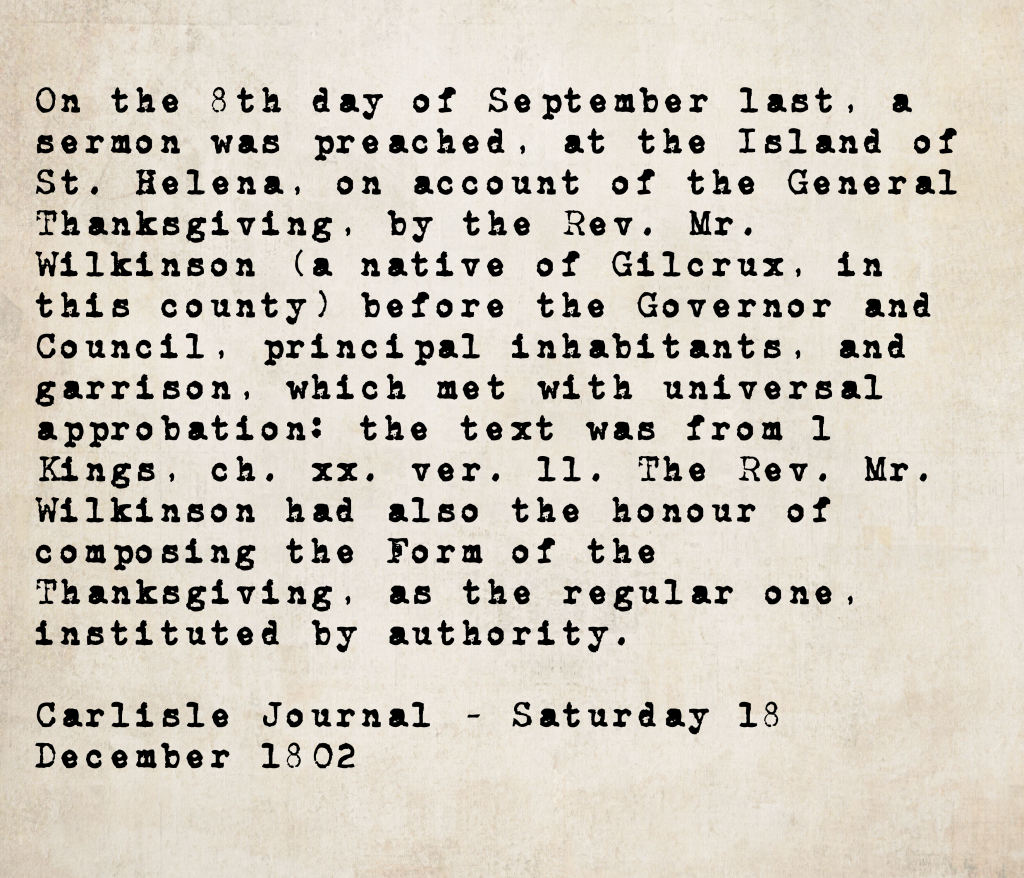
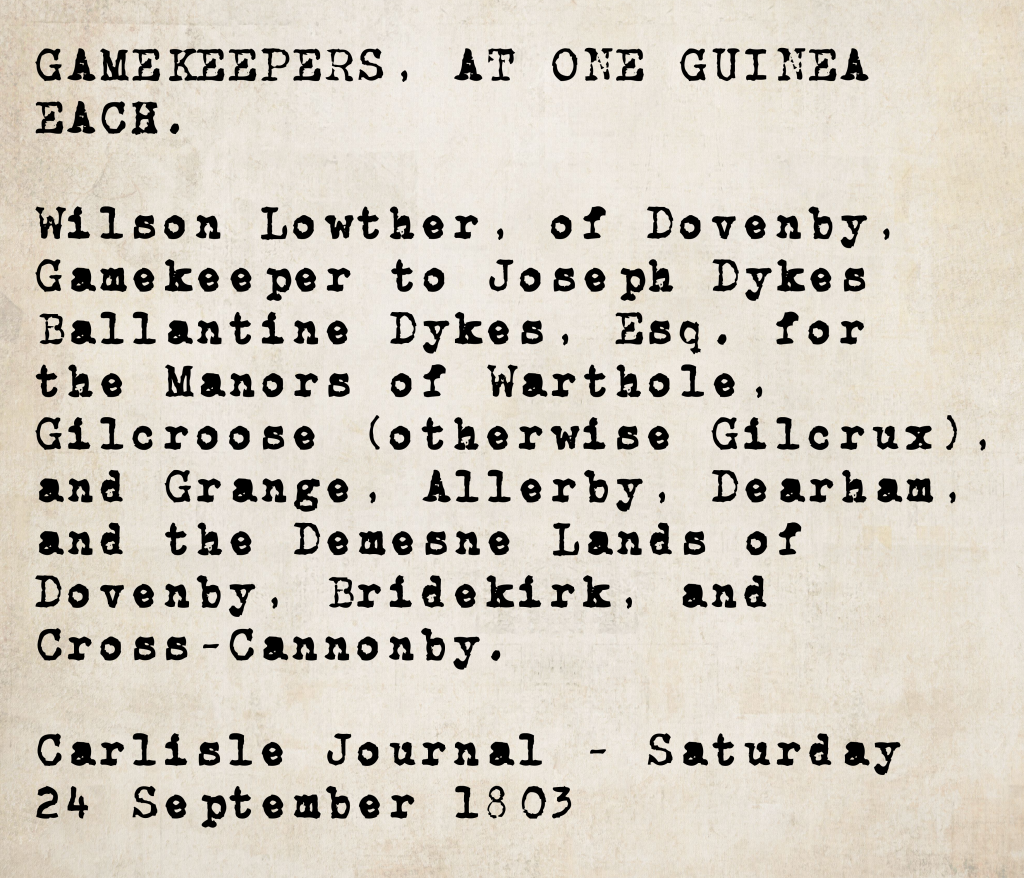
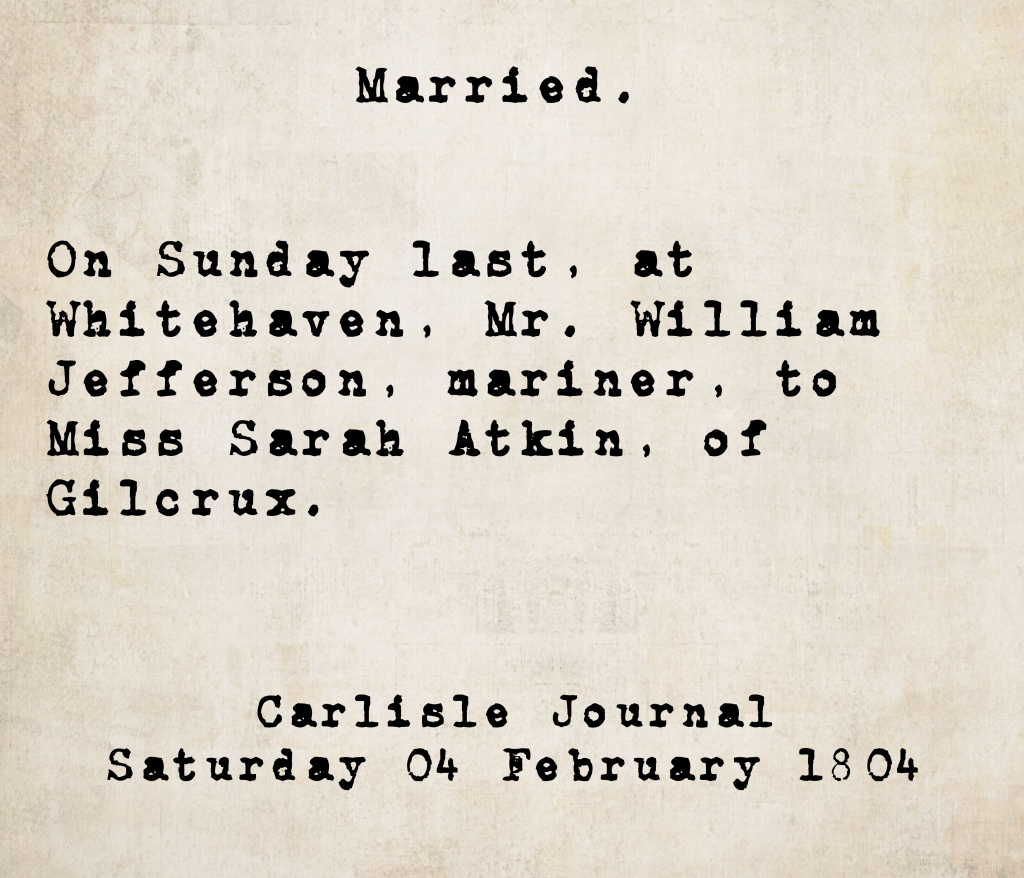
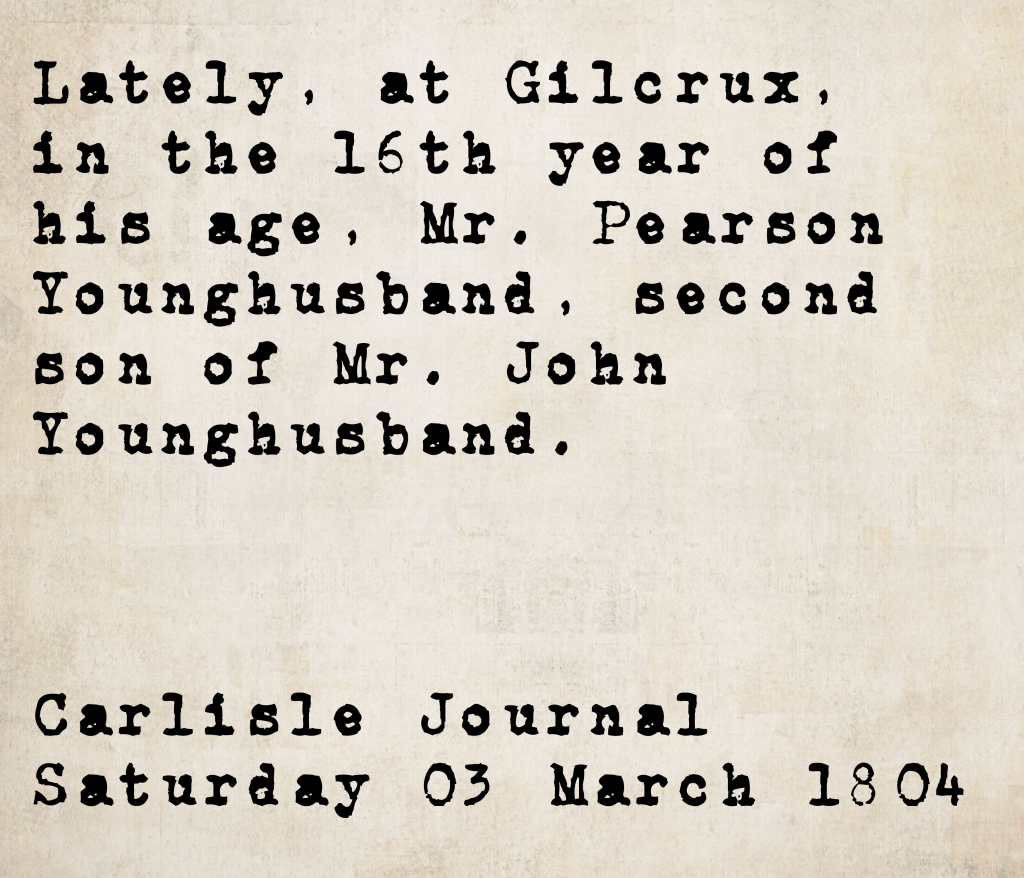
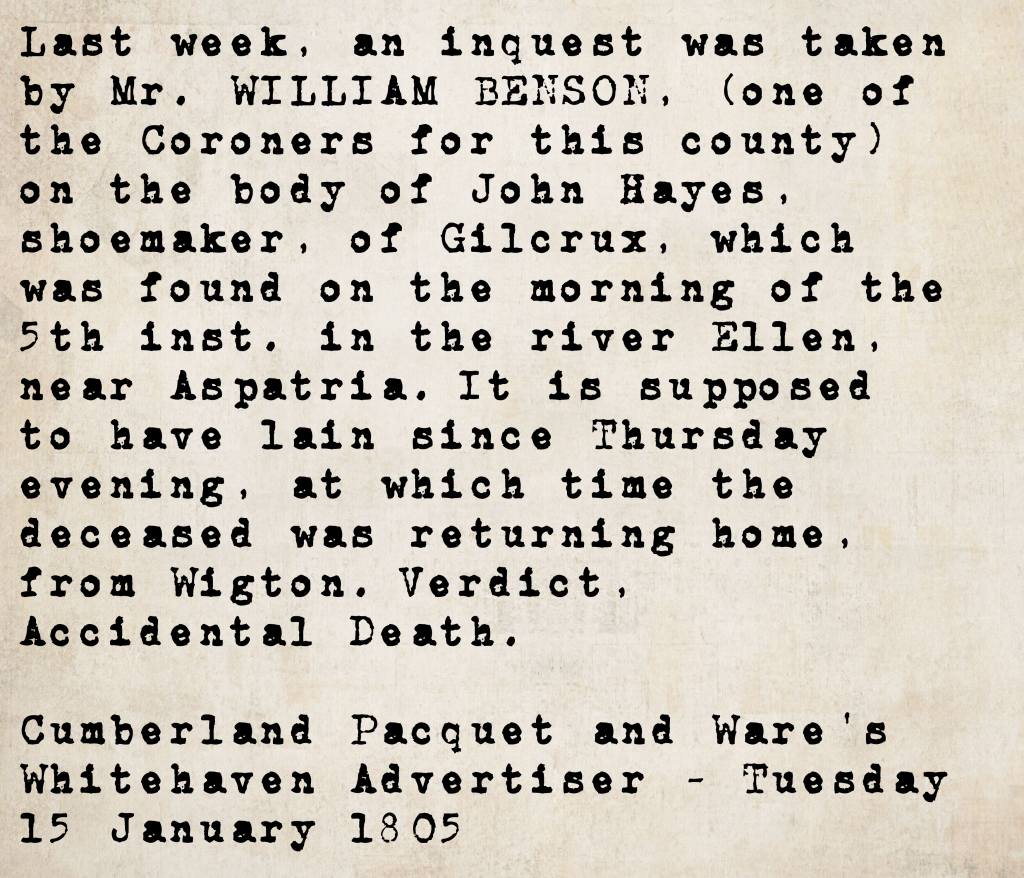
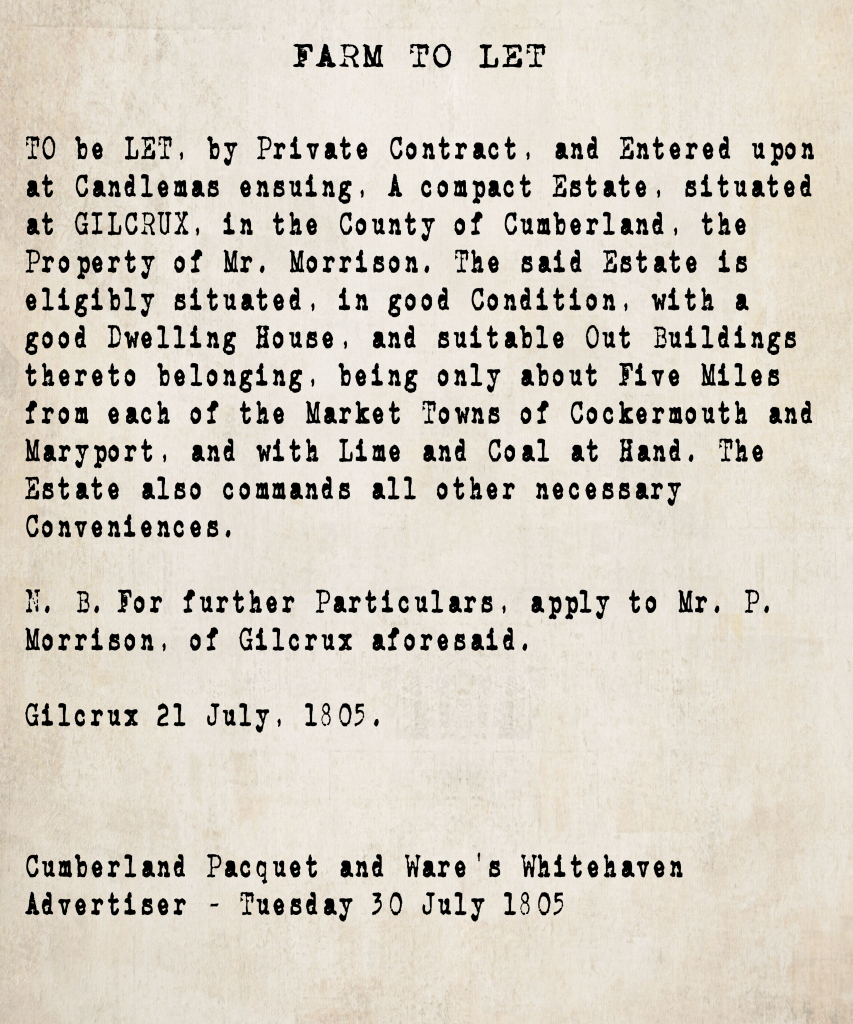
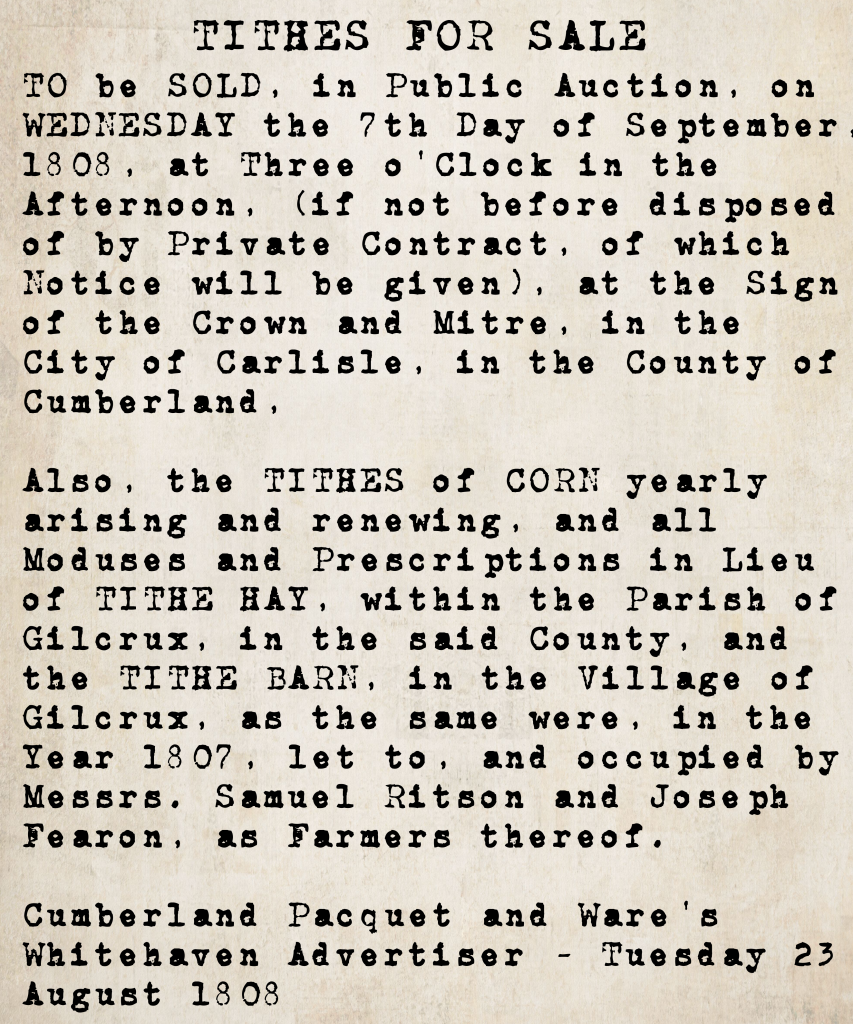
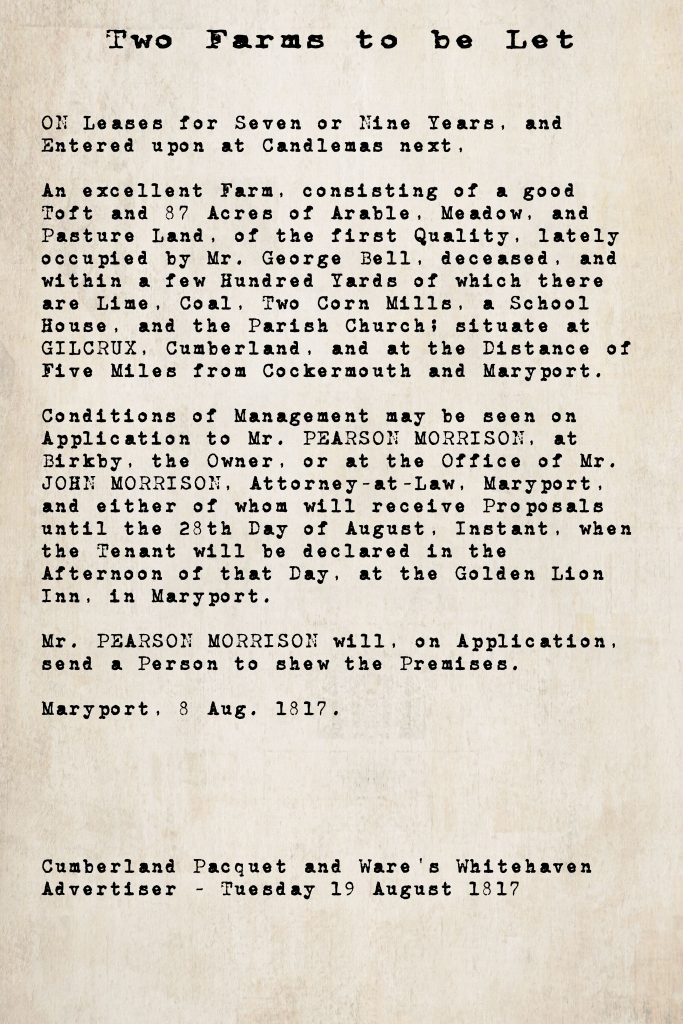
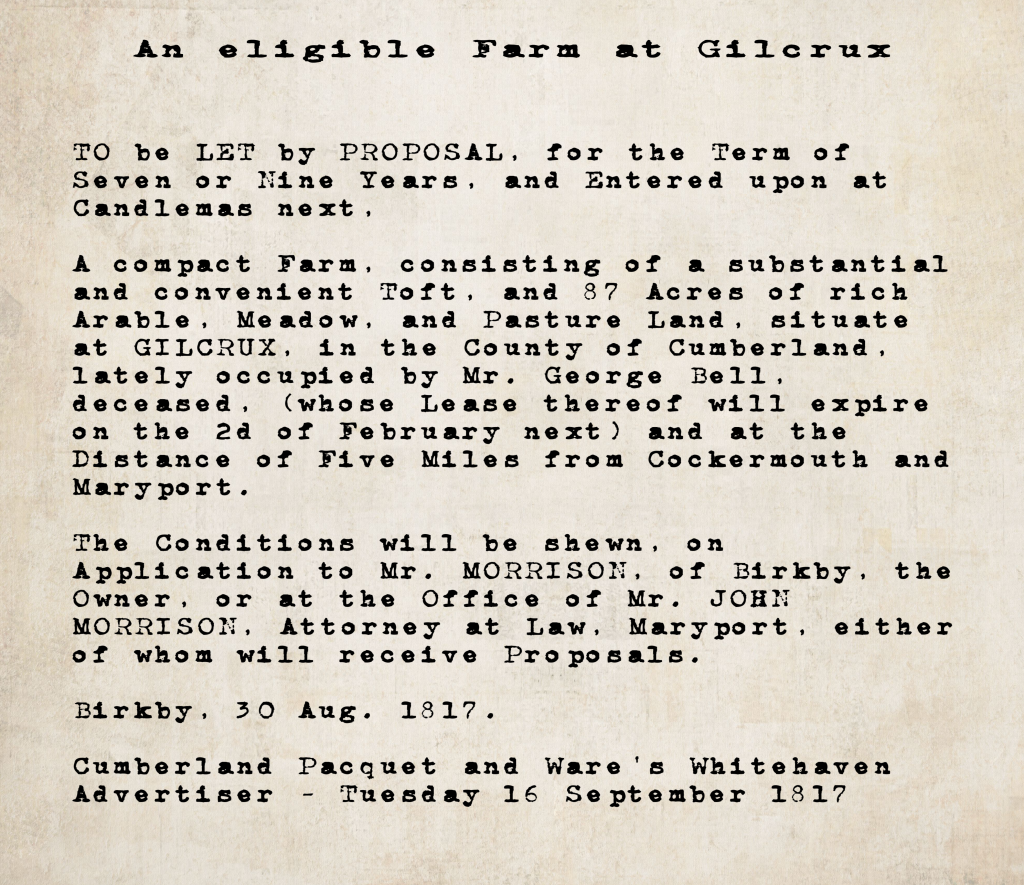
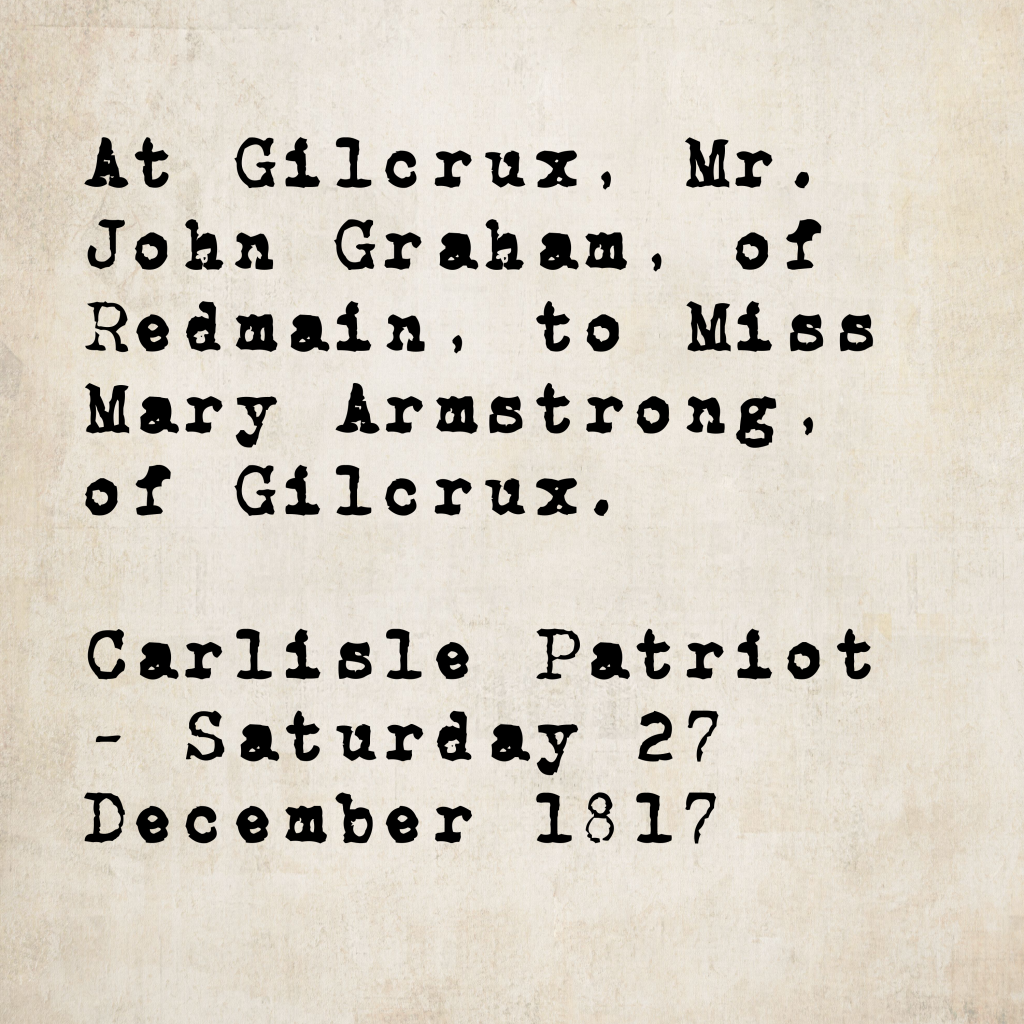
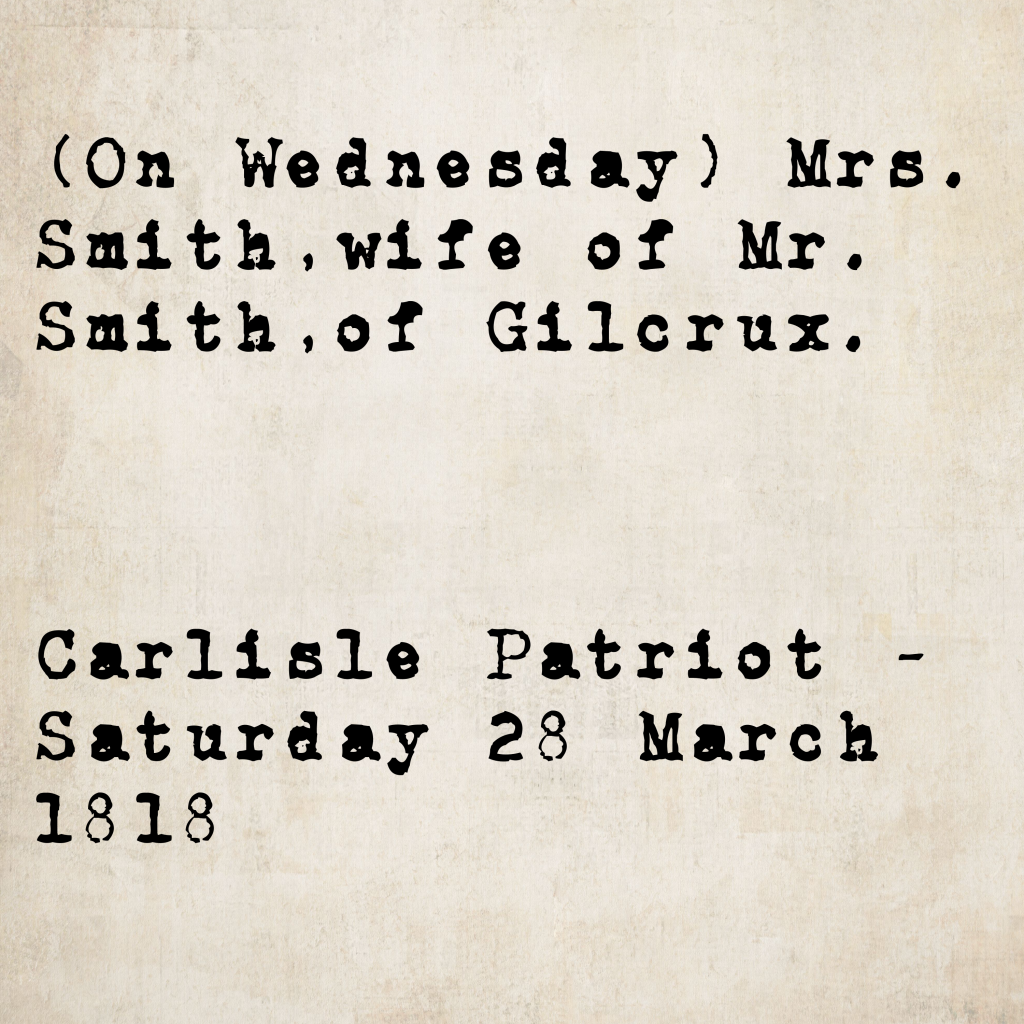
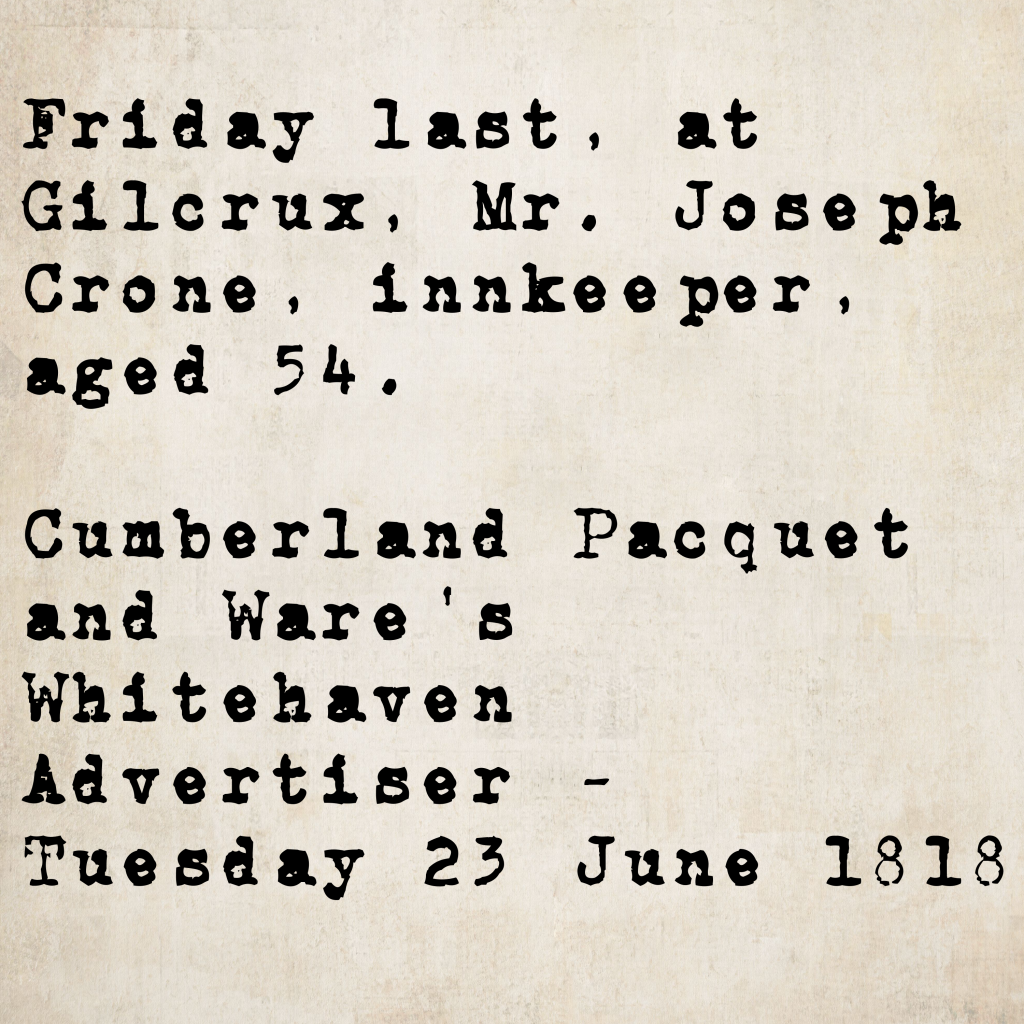
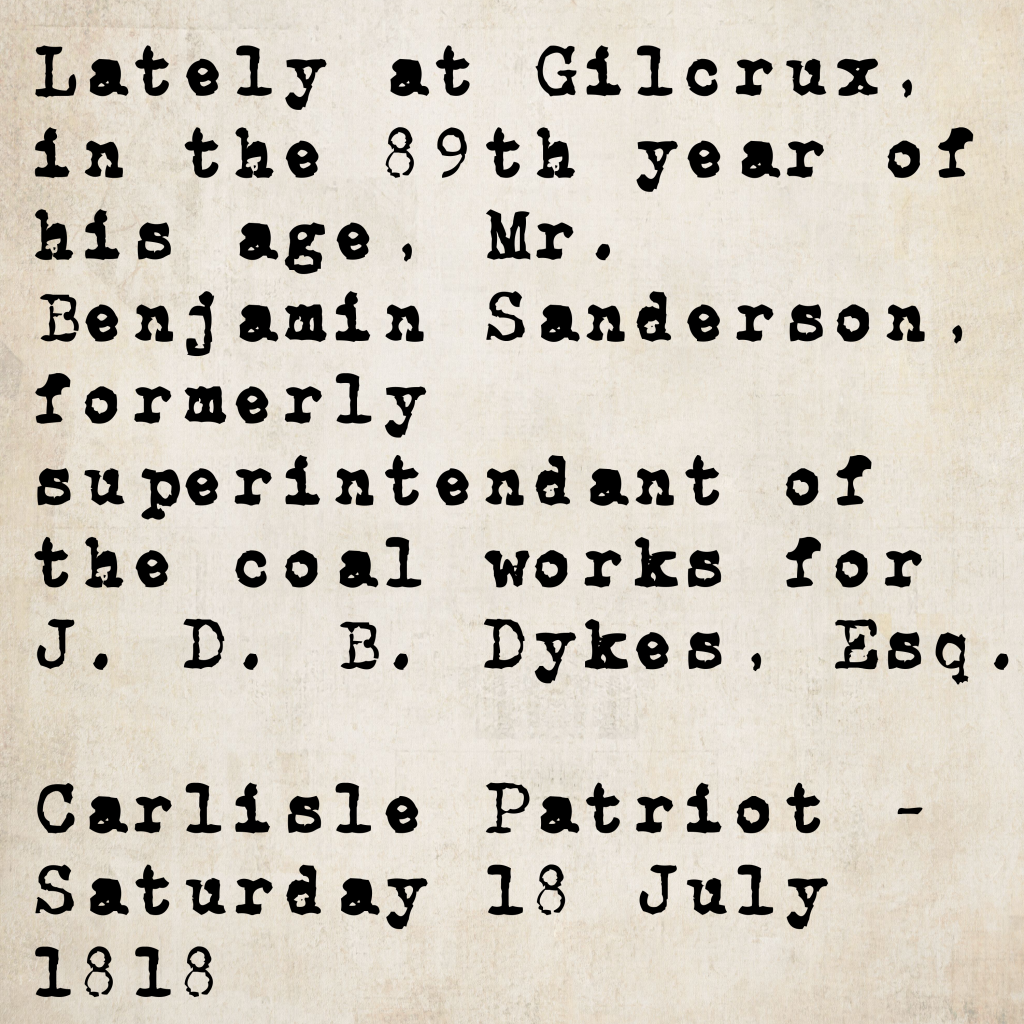
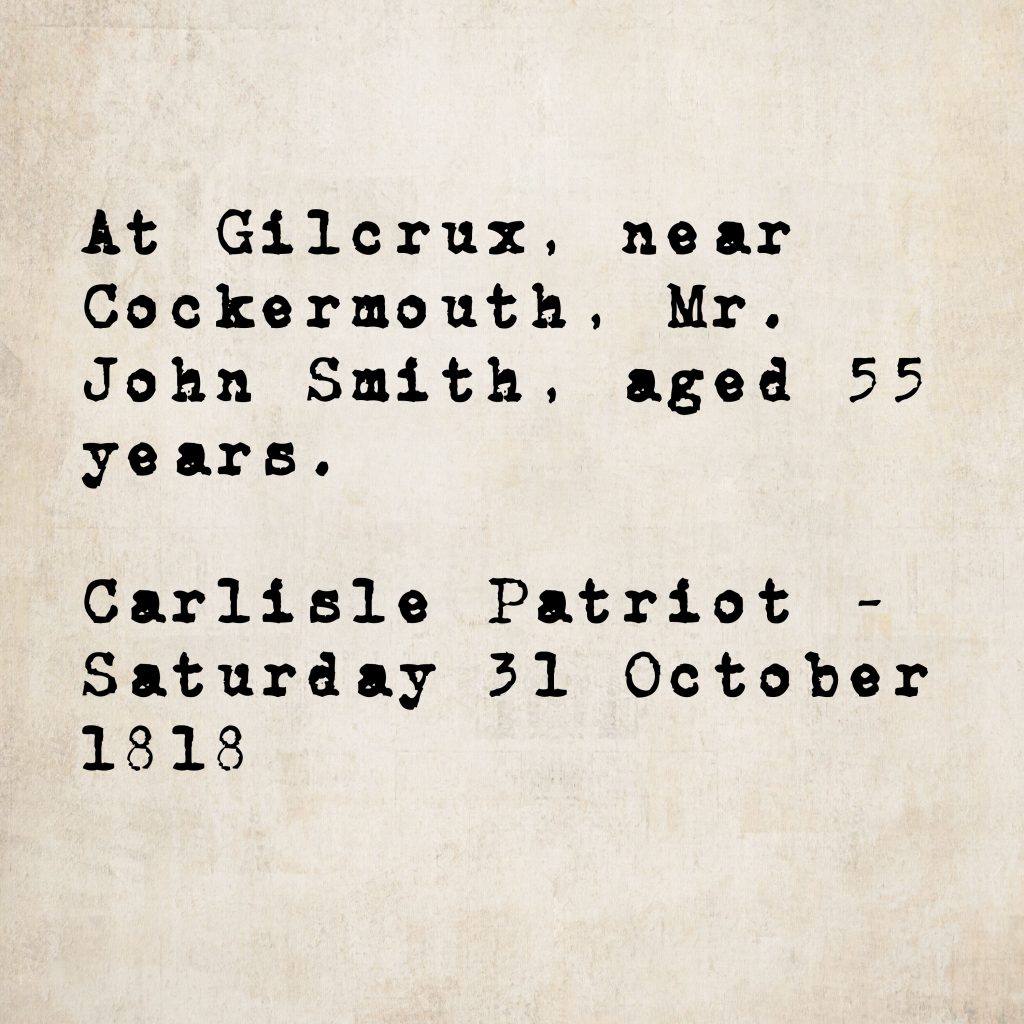
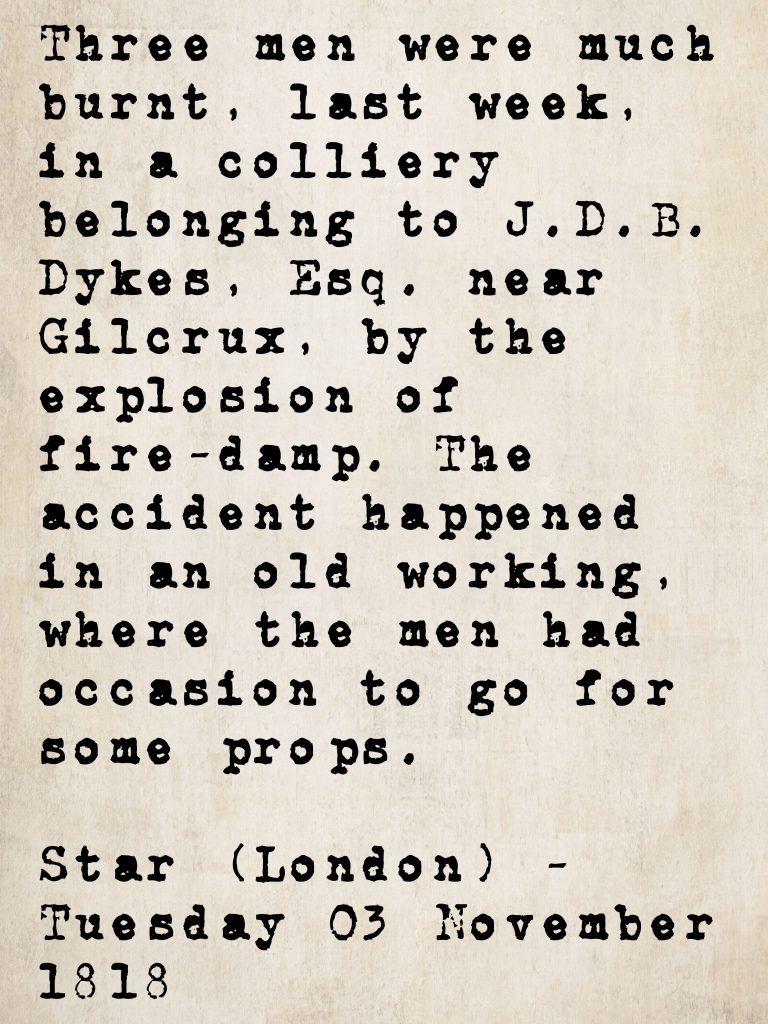
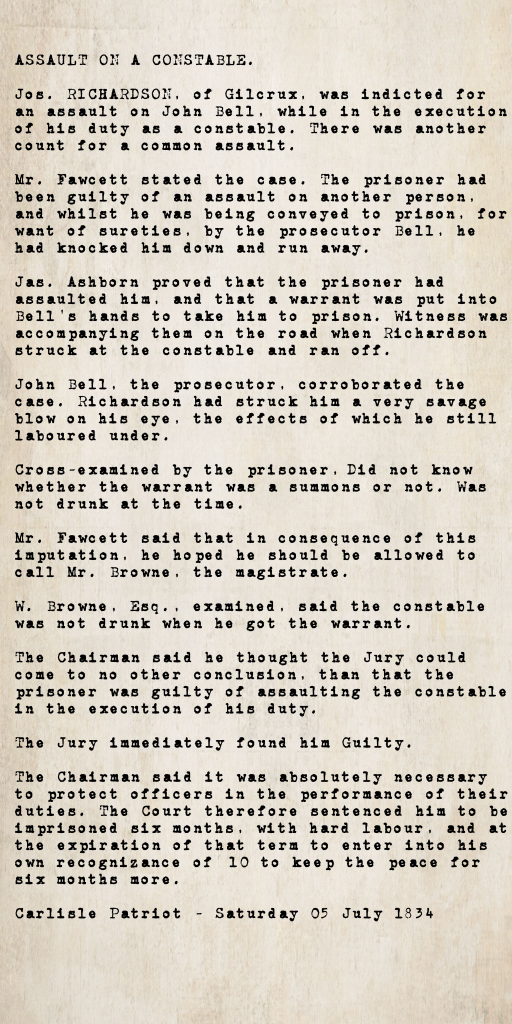
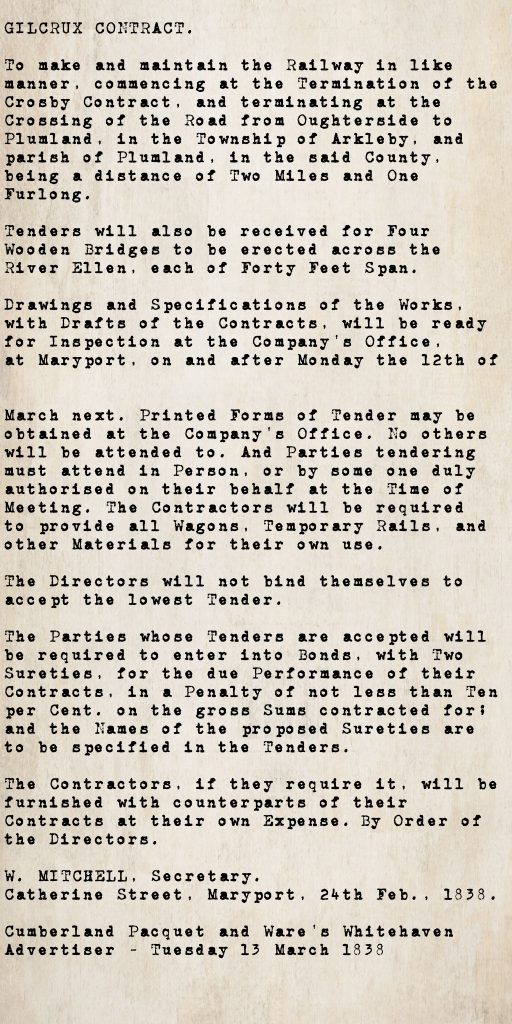
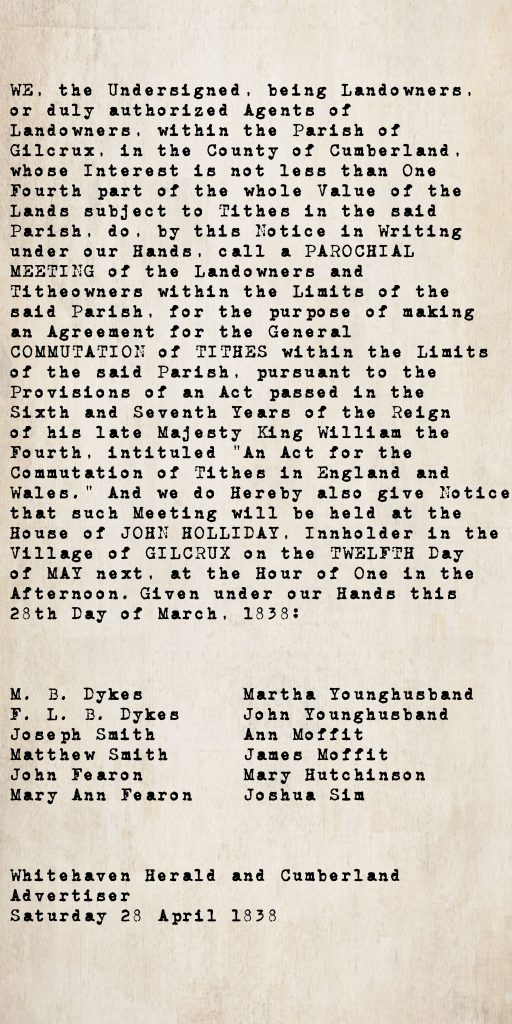
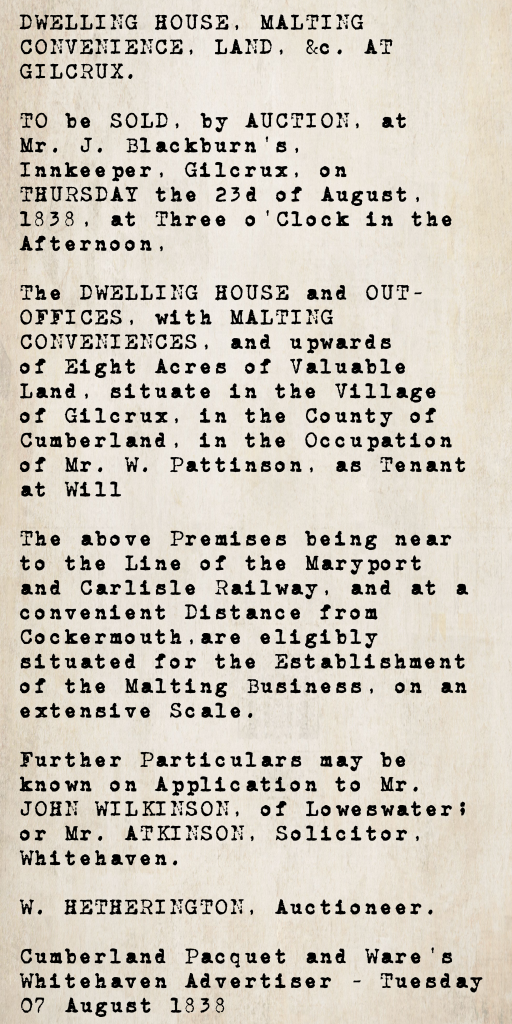
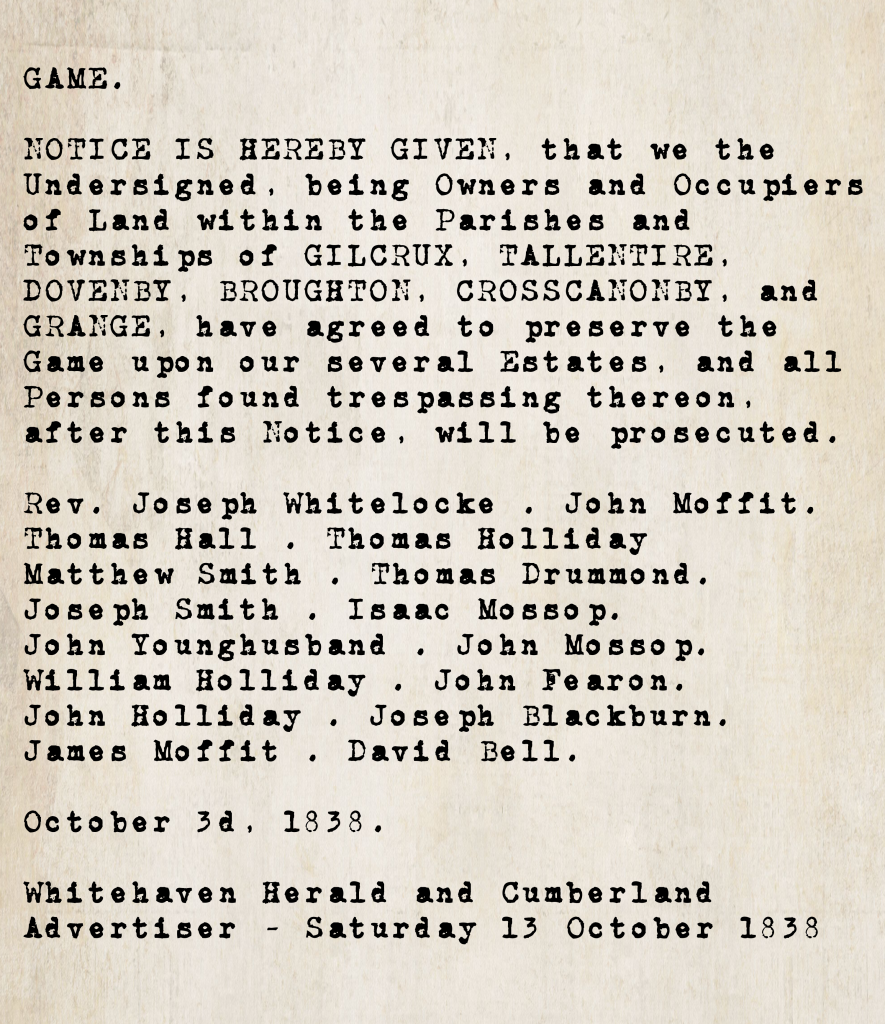
It’s my intention that every image in this archive is accompanied by both a short ALT text and a fuller long description. This ensures that the content of each historical document is fully accessible to visitors using screen readers or other assistive technologies, and isn’t locked away inside an image that can’t be read aloud or converted to braille.
For visually impaired researchers, genealogists, and anyone with a interest in local history, this means the information such as names, dates, places, and stories in each newspaper cutting is available in plain text, just as it is to sighted visitors.
The longer descriptions also serve a secondary purpose: they provide rich, searchable text that helps search engines index the content accurately, making the archive easier to find for anyone researching Gilcrux history online.
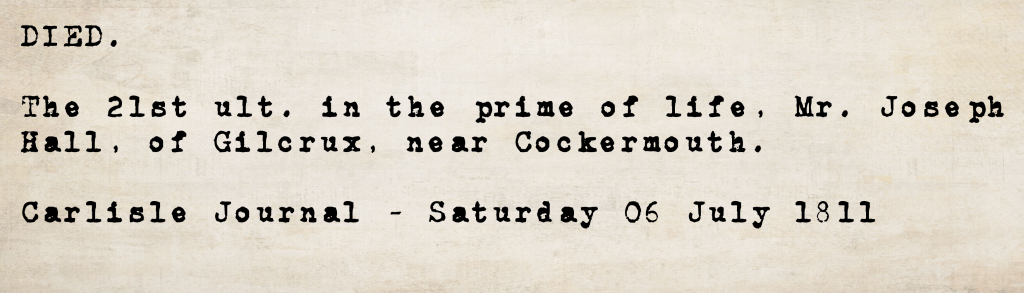
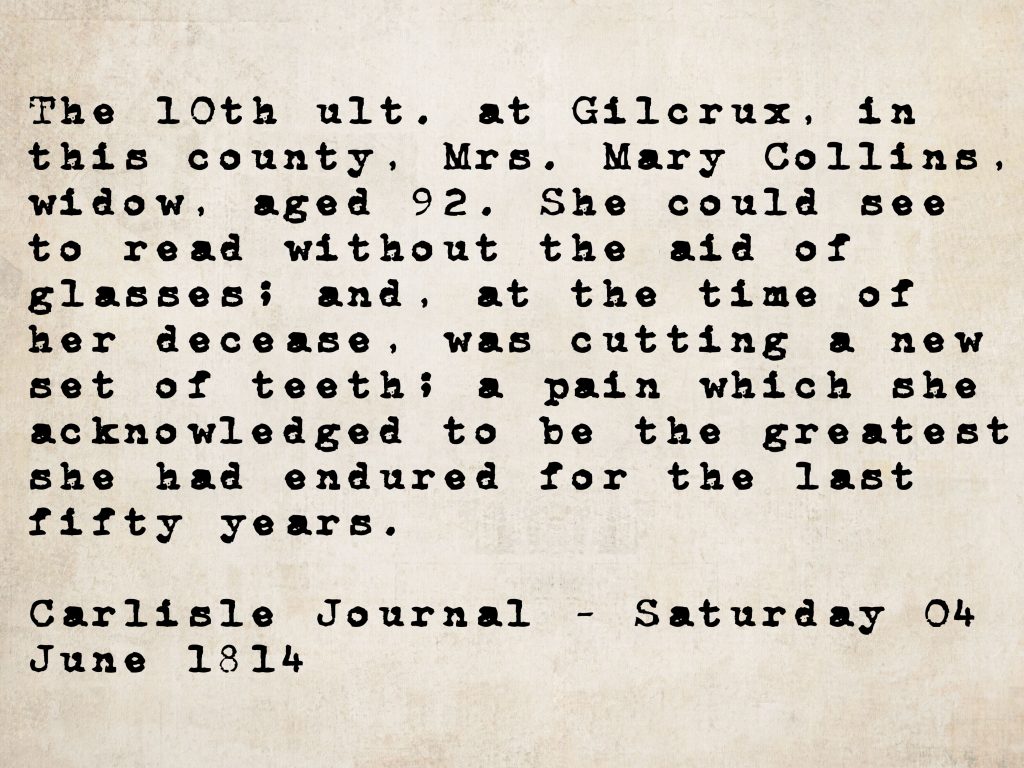
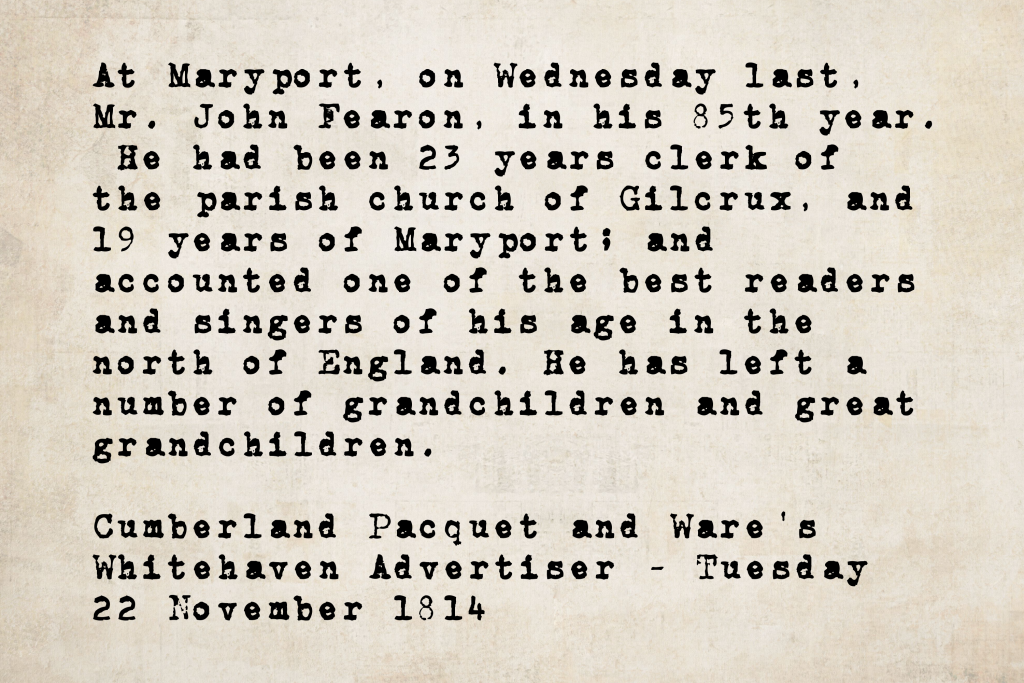
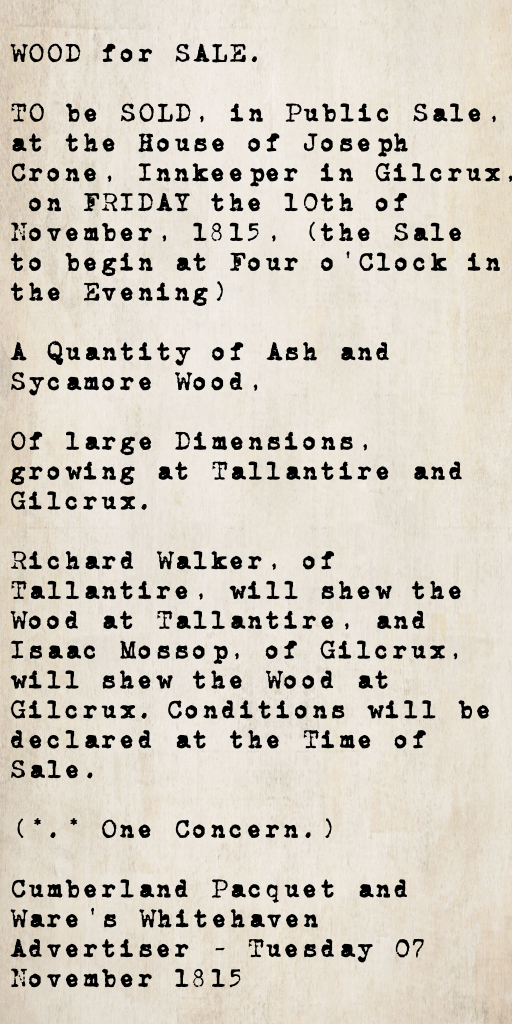
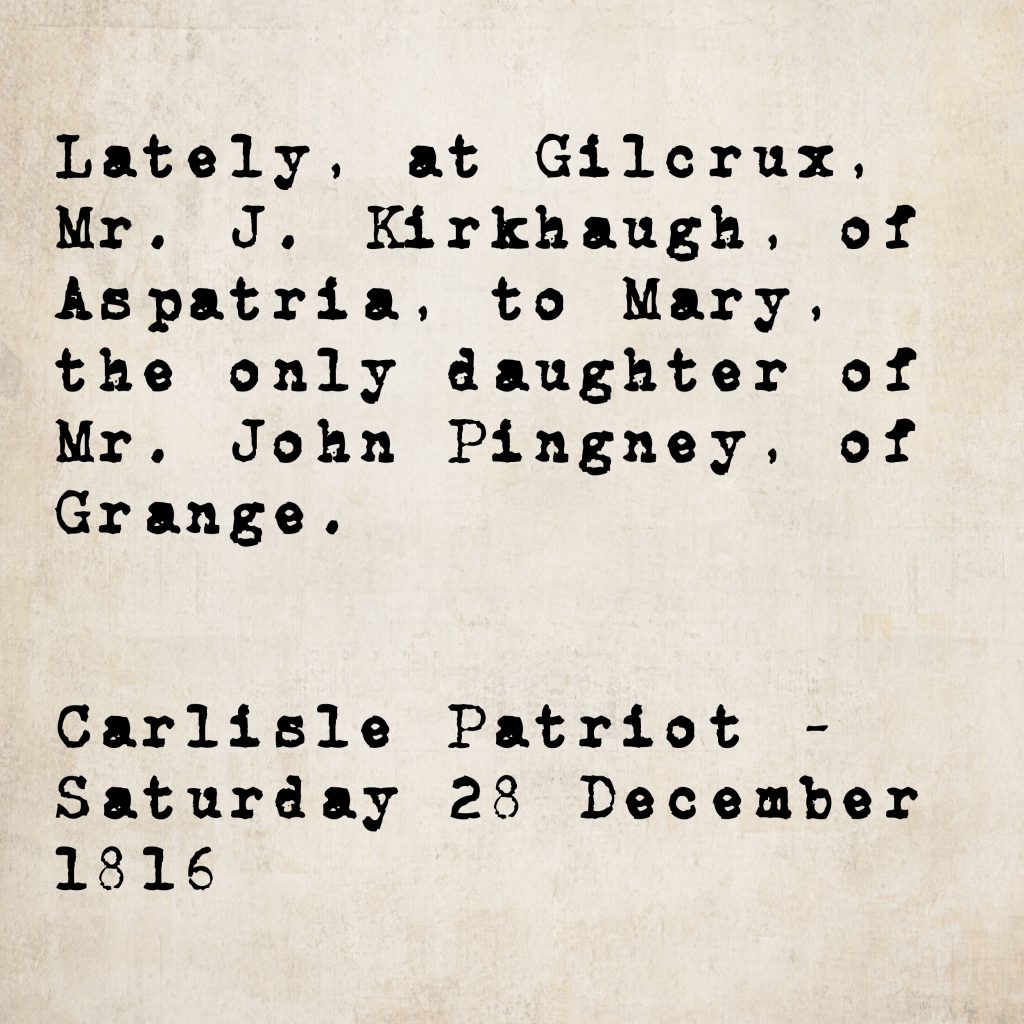
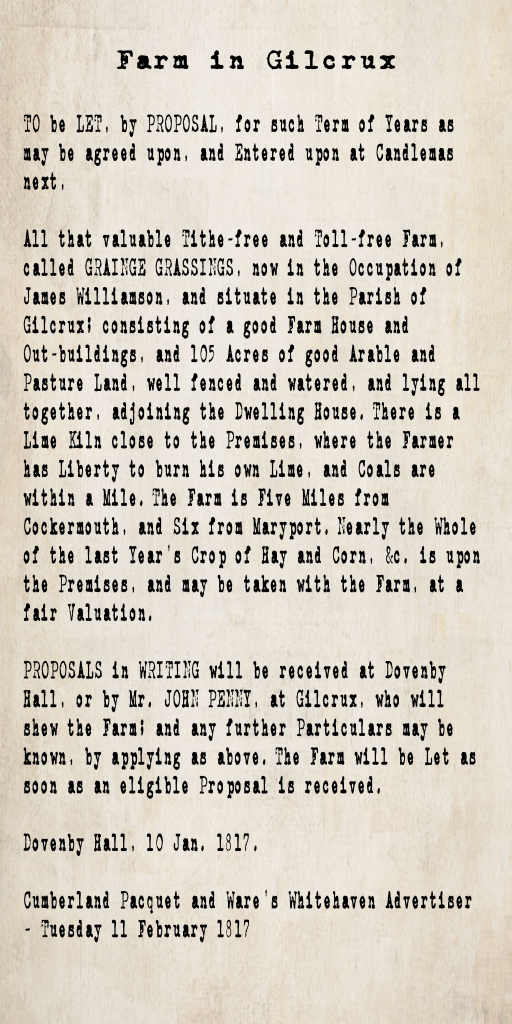
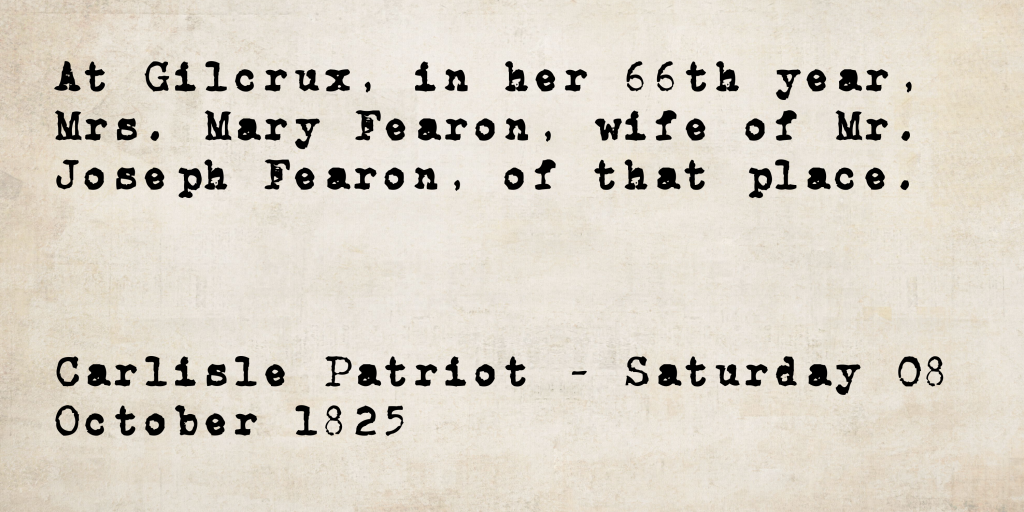
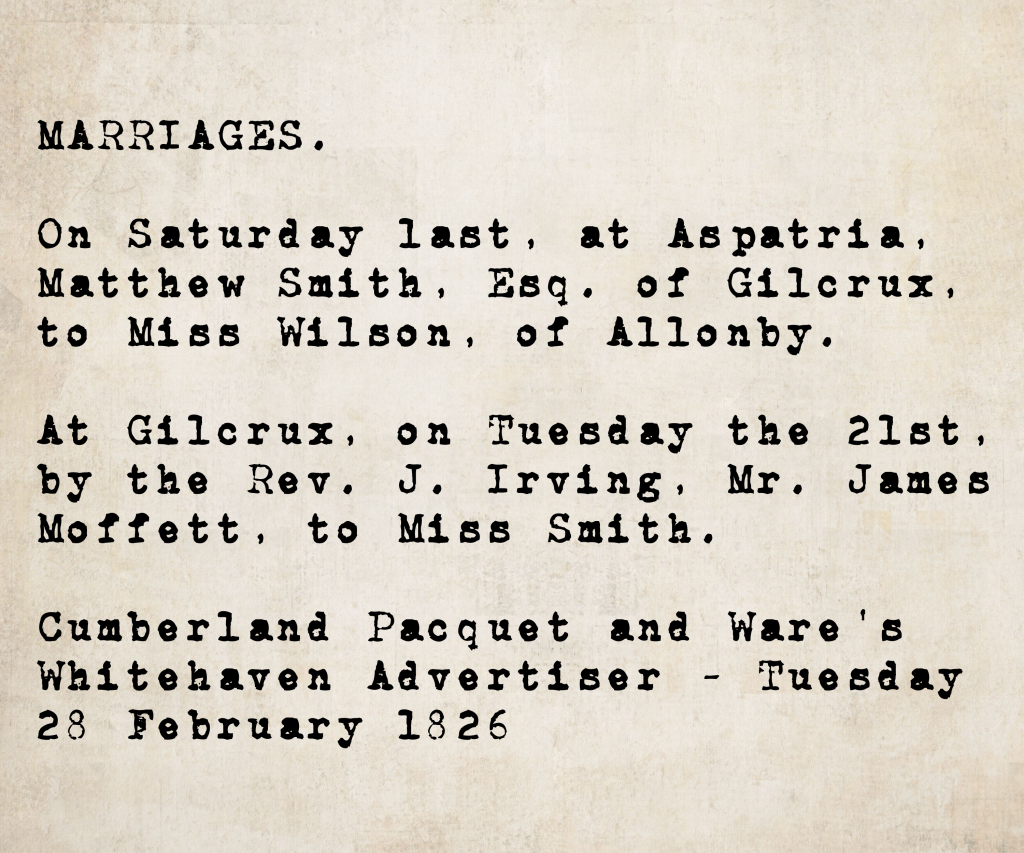
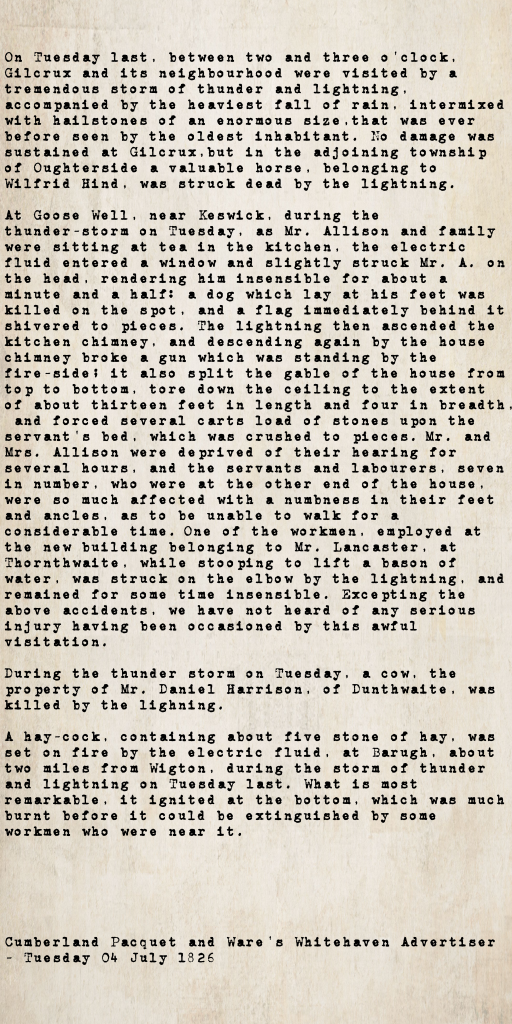
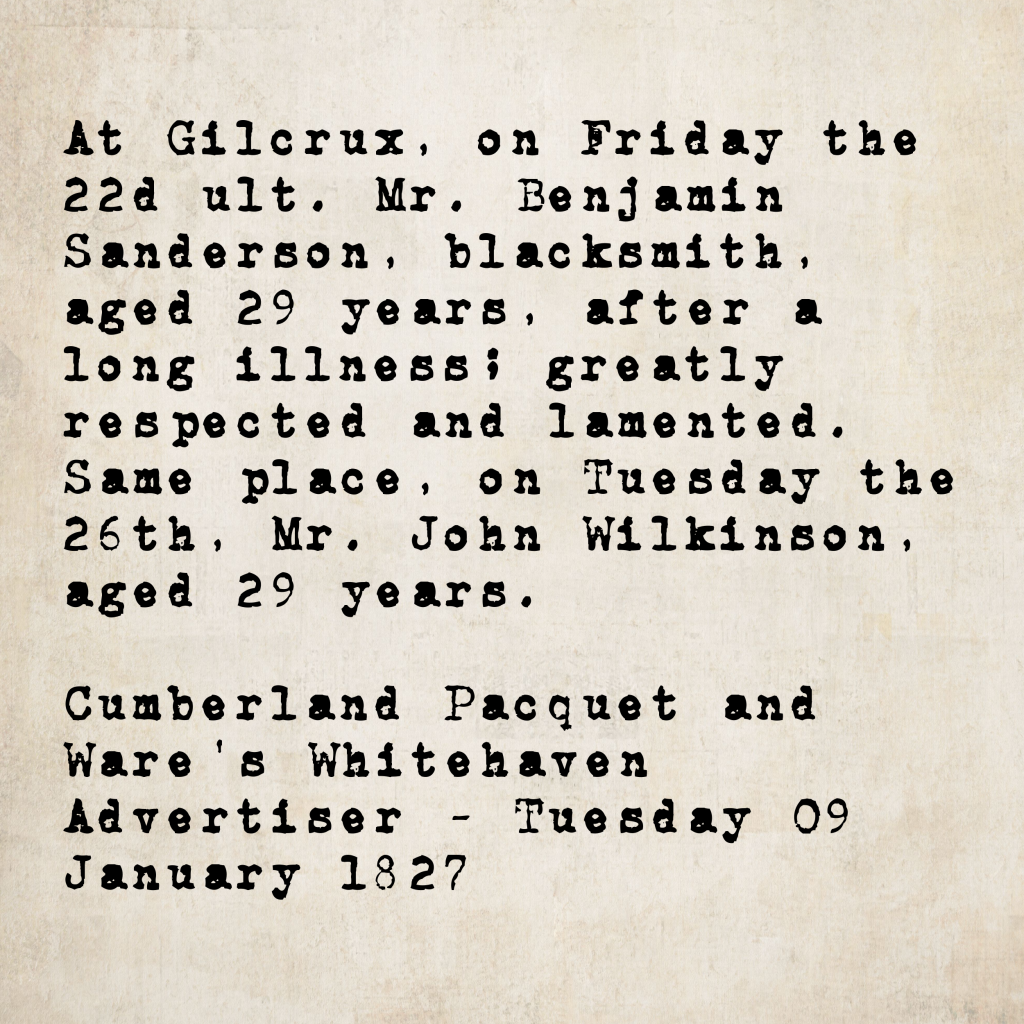
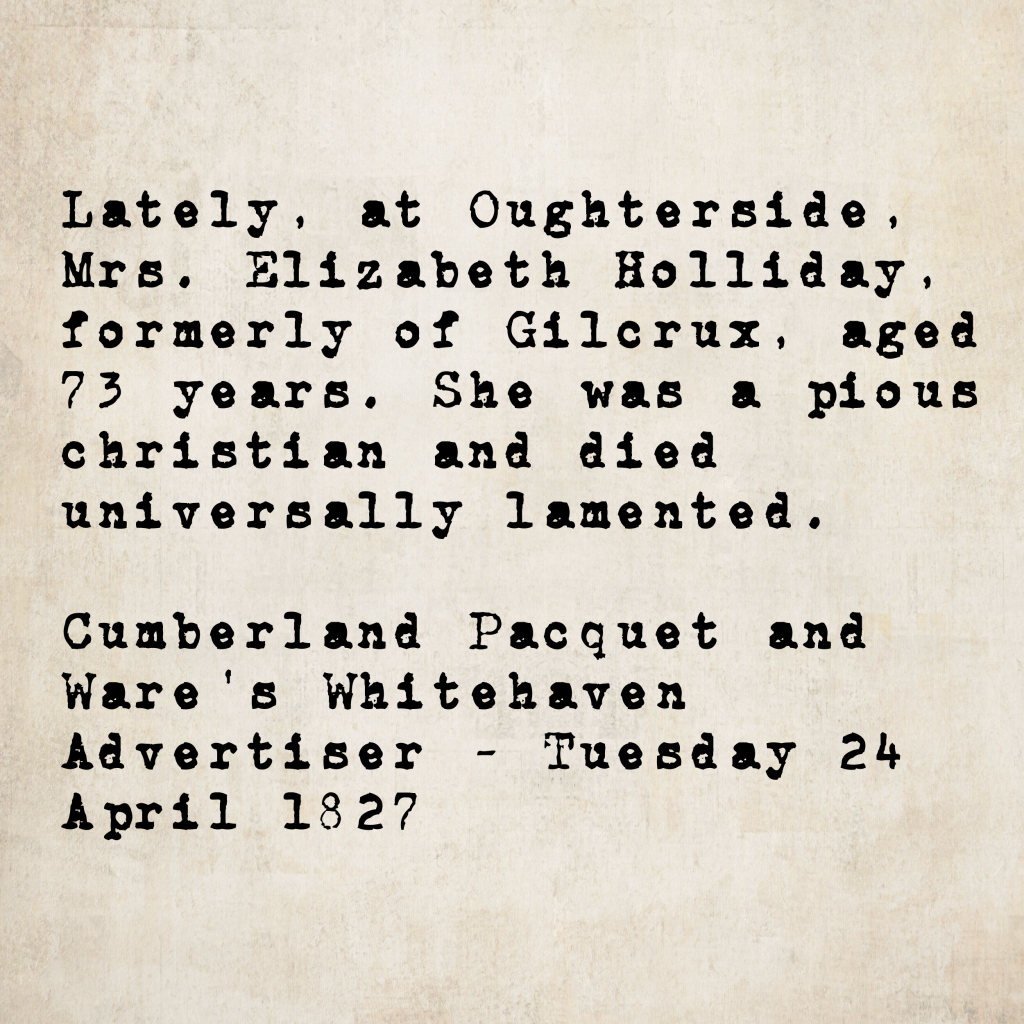
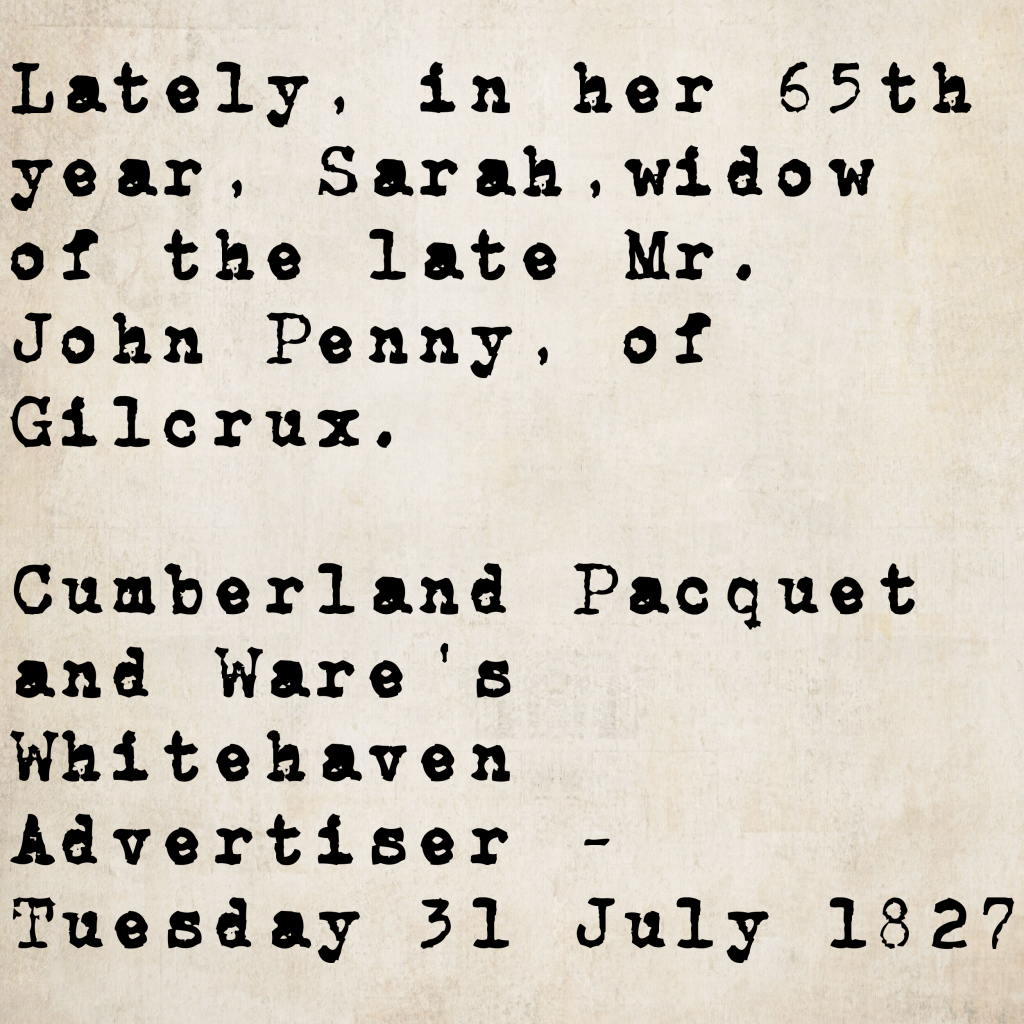
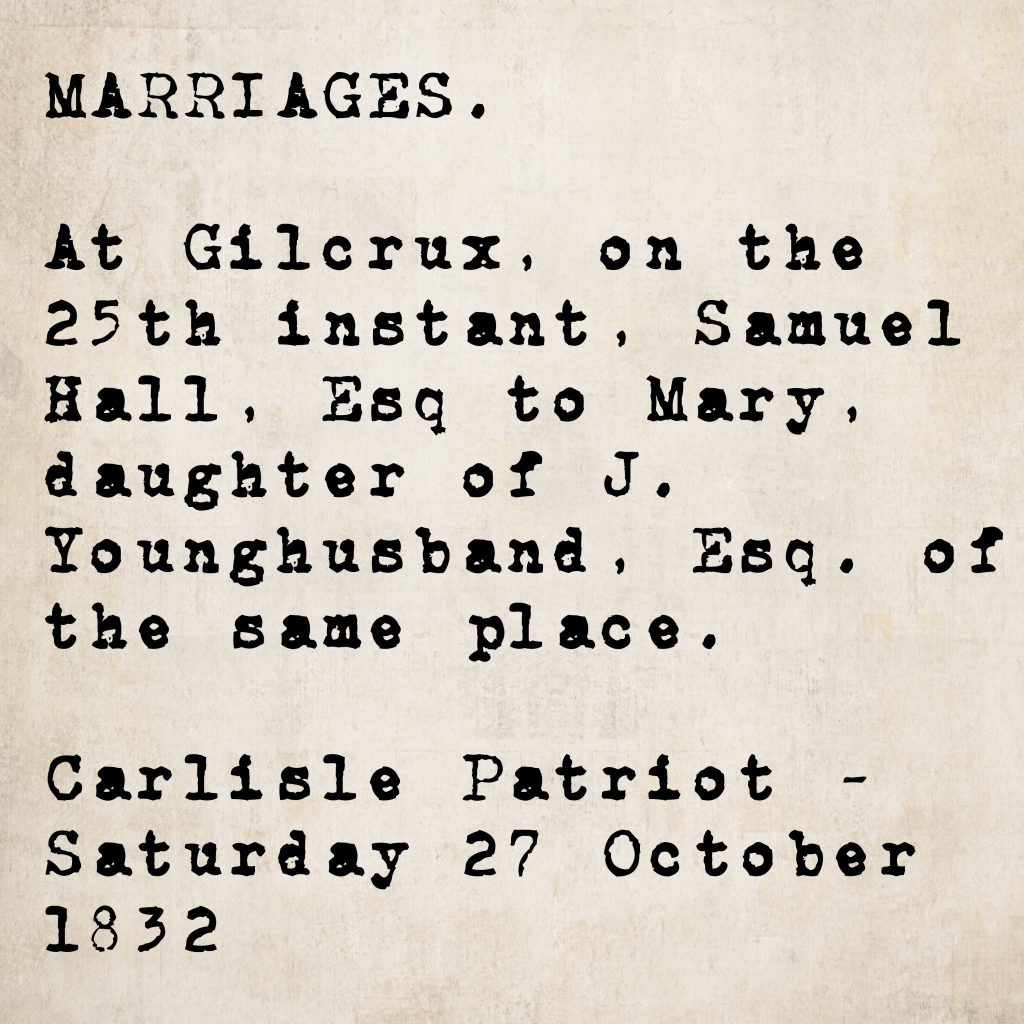
The texts presented in this archive have been transcribed and described as they appear in the original newspaper sources. I’ve tried to keep spellings, including place names, personal names, and archaic terminology, as printed in the newspapers (etc.) of the day. This is particularly significant for Gilcrux itself, which appears in historical sources under several variant spellings, including Gilcroose and Gilcrosse. I try to write these various spellings into the metadata and descriptions to ensure that searches using either spelling will surface the relevant records.
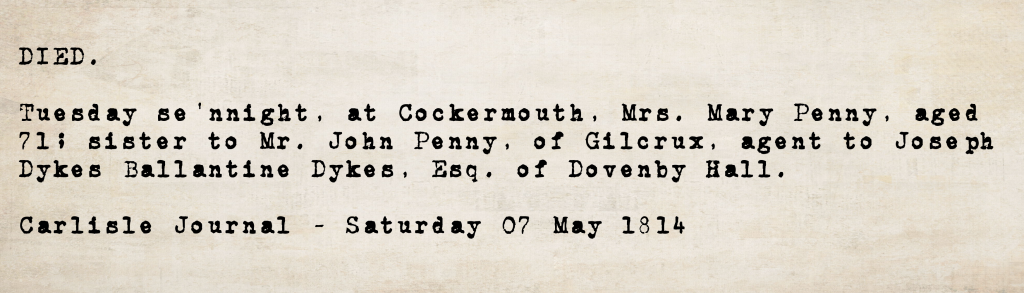
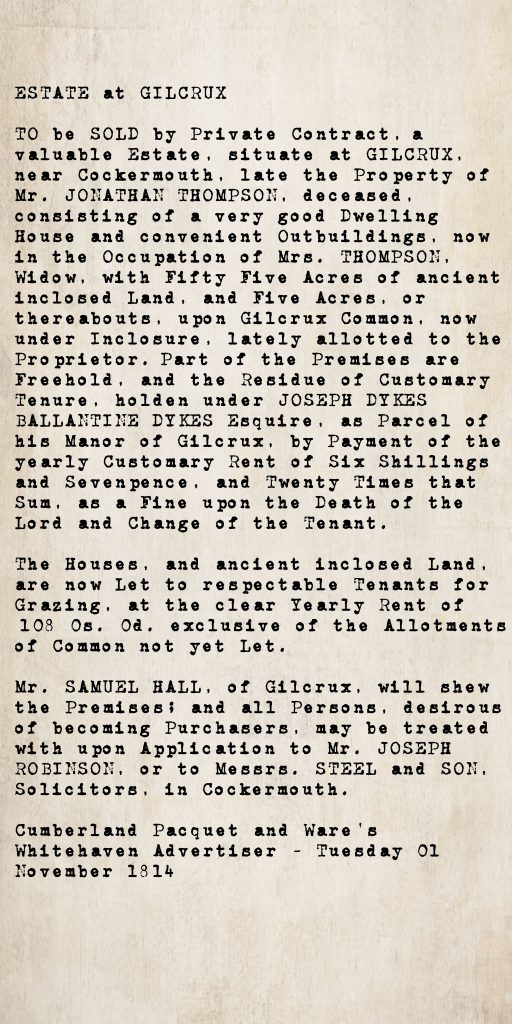
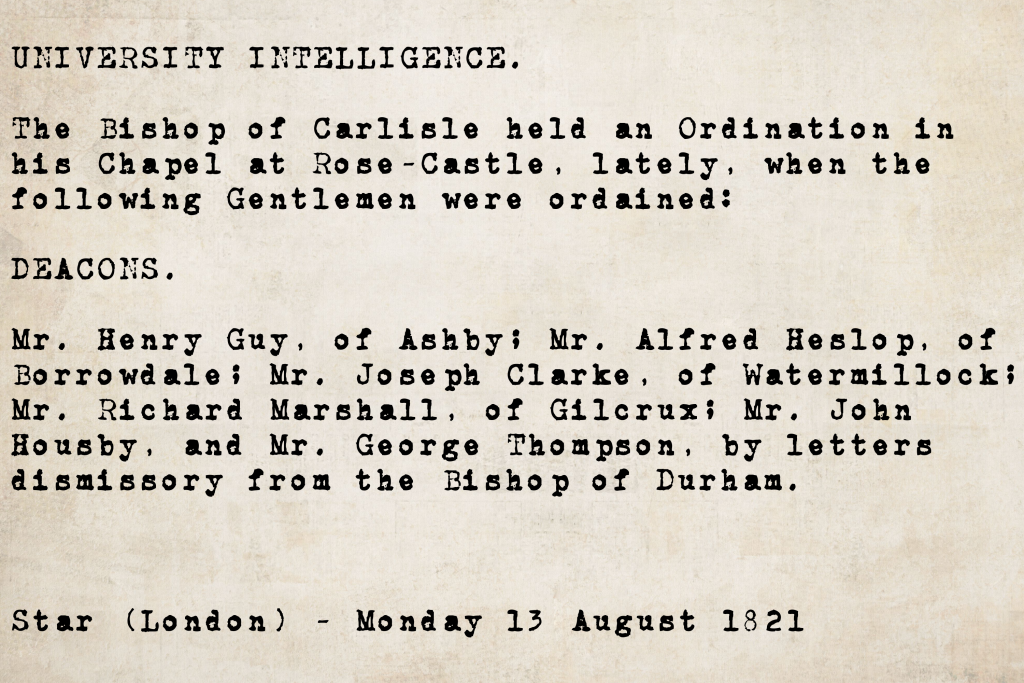
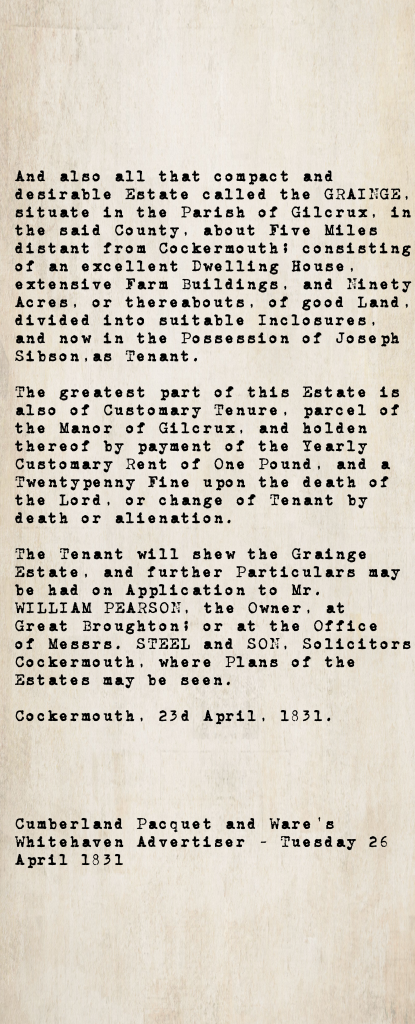
Similarly, period terminology such as “se’ennight” (a week), “the ult.” (last month), “the inst.” (this month), “fire-damp” (methane gas in mines), “customary tenure,” and “letters dismissory” has been kept intact and, where helpful, briefly explained in the image descriptions.
Personal and family names are transcribed exactly as printed, including variant spellings of the same surname across different documents — for example, Moffit, Moffett, and Mofft. Researchers tracing family histories should be aware that such variation was common in this period, and are encouraged to search under multiple spellings.
All source details — newspaper title, date, and format — are recorded in full to assist anyone wishing to locate the original documents. Please don’t hesitate to contact me with any questions, happy to help.
Best,
Bee.

Comments are closed